Annual Scientific Output
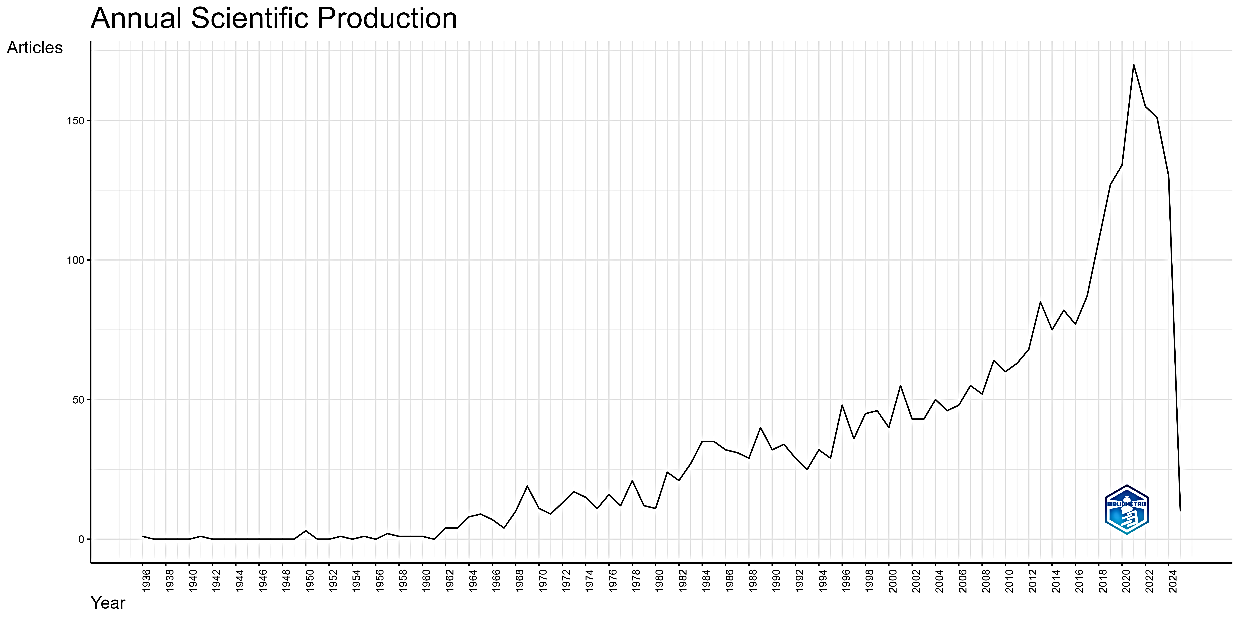
The scientific output in salivary gland oncology has experienced steady growth over the past two decades, reflecting increasing global interest in the field. Figure S2 illustrates the number of publications per year from 1936 to 2024, revealing distinct phases of research activity.
There's a significant increase in publication rate from the late 1990s onward, peaking around 2021–2022. A sharp decline is evident after 2022, possibly indicating incomplete data collection for recent years. Between 2000 and 2010, the number of publications remained relatively stable, averaging between 50 and 70 articles per year. During this period, research primarily focused on histopathological classification and surgical management of SGTs. From 2010 to 2015, a moderate rise in publications was observed, reaching over 150 articles annually, coinciding with the growing interest in molecular diagnostics and biomarker discovery.
A notable surge in research output occurred between 2016 and 2022, with annual publication numbers exceeding 400 articles. This increase can be attributed to several factors, including advancements in genomic sequencing, immunohistochemistry, and targeted therapies, as well as the integration of AI in oncology research. The peak in publications during 2021 and 2022 may also reflect the widespread application of machine learning models in pathology and radiomics for salivary gland tumor detection. In contrast, 2023 and 2024 show a decline in the number of publications. However, this trend is likely due to incomplete data collection for recent years, rather than an actual reduction in research activity.
Several key factors have contributed to the growth of salivary gland oncology research over the past two decades which include advancements in molecular pathology have led to the discovery of genetic alterations in salivary gland carcinomas, such as MYB-NFIB fusions and NOTCH1 mutations, facilitating more precise tumor classification. Emerging therapeutic strategies, including immune checkpoint inhibitors, androgen receptor-targeted therapies, and HER2-directed treatments, have fueled translational research efforts. The integration of AI in pathology has allowed for automated tumor classification and predictive modeling, further expanding the field’s research scope. Multidisciplinary collaborations and global research consortia have facilitated large-scale clinical trials and the development of internationally recognized treatment guidelines.
The continued rise in publication volume highlights the growing importance of salivary gland oncology within the broader field of head and neck cancer research. This trend underscores the need for continued investment in molecular diagnostics, biomarker validation, and AI-driven decision-support systems. Expanding international collaborations and establishing large patient cohorts through multicenter studies will be critical for advancing future research.
Geographical Distribution and Country Analysis
The geographical distribution of research in salivary gland oncology reveals notable disparities in scientific output across different regions. Figure S3 (Country Scientific Production) illustrates the top research-producing nations, highlighting variations in research activity and influence.
The United States leads in both publication volume and citation impact, reflecting its strong research infrastructure, funding opportunities, and extensive collaboration networks. The country has contributed the highest number of publications and maintains a dominant presence in highly cited research. Japan and Germany follow as key contributors, benefiting from well-established pathology and oncology research programs that focus on molecular characterization and targeted therapies.
China has shown significant growth in publication output, particularly after 2015, reflecting its increasing investment in cancer research and precision medicine. However, despite its rising publication count, its average citation impact remains lower, suggesting that much of this research is still in the process of gaining global recognition. European countries such as the United Kingdom, Italy, and France also play an essential role, contributing to high-quality research and strong international collaborations.
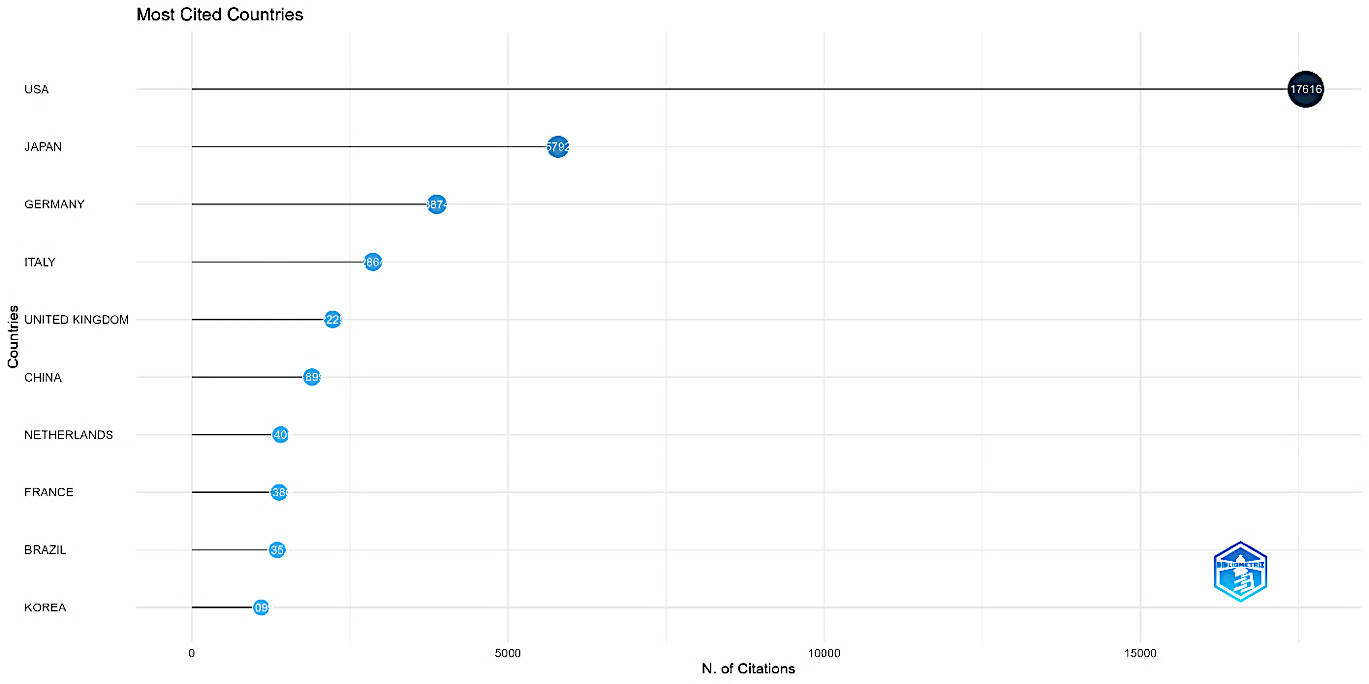
When examining citation metrics (Figure S4. Most Cited Countries), a distinction emerges between countries with high research volume and those with high research influence. The United States and Germany exhibit the highest citation impact, indicating that their research is widely referenced and plays a significant role in shaping the field. While Japan and the United Kingdom have strong citation networks, reflecting their contributions to histopathology, surgical oncology, and biomarker research. Whereas, China, while producing an increasing number of publications, has a lower citation impact, likely due to the relatively recent surge in its research activity.
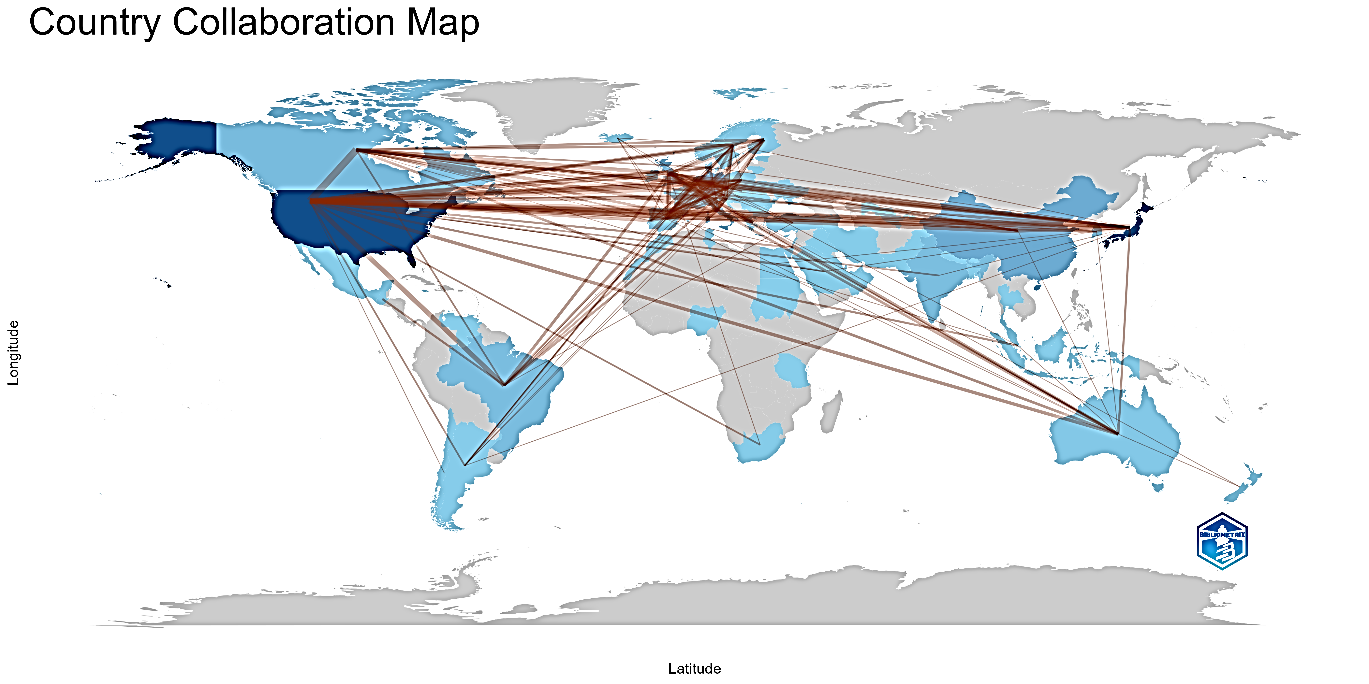
Figure S5 (Country Collaboration Map) illustrates global research collaboration networks, revealing strong scientific partnerships between leading institutions and emerging research centers. The United States collaborates extensively with European and Asian countries, reinforcing its central role in shaping international research agendas. Whereas, Germany and Japan maintain strong collaborative ties, particularly in research areas focusing on tumor pathology and molecular diagnostics. While, China and South Korea have increasingly engaged in international collaborations, reflecting their growing influence in oncology research. However, smaller research hubs, such as Brazil and India, are beginning to emerge, although their contributions remain relatively modest compared to more research-intensive nations.
The shift towards globalized research collaboration has fueled advancements in tumor classification, biomarker discovery, and novel therapeutic approaches. The increasing participation of Asian countries and emerging research centers suggests a more diverse and inclusive scientific landscape in the coming years. However, regional disparities remain, emphasizing the need for further collaboration, funding allocation, and knowledge exchange to enhance research capacity in underrepresented regions. Future efforts should focus on strengthening international research consortia, expanding multicenter clinical trials, and fostering cross-border collaboration to ensure equitable advancements in salivary gland oncology research.
Institutional and Author Contributions
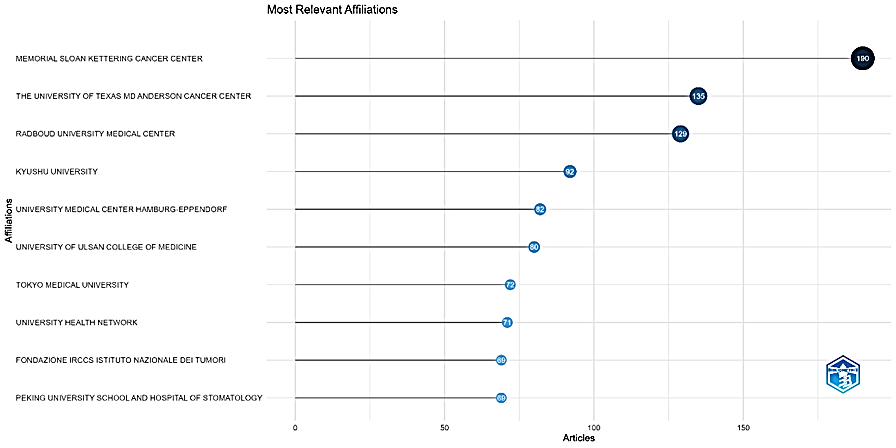
Institutional contributions play a vital role in advancing the field of salivary gland oncology. Figure S6 illustrates the institutions with the highest research output and impact in this domain.
The Memorial Sloan Kettering Cancer Center (United States) and MD Anderson Cancer Center (United States) stand out as the two most prolific institutions, reflecting their strong focus on oncologic pathology, tumor classification, and molecular diagnostics. These centers are internationally recognized for their contributions to precision oncology and clinical management of salivary gland malignancies. Among European institutions, Radboud University Medical Center (Netherlands) and University Medical Center Hamburg-Eppendorf (Germany) have demonstrated significant research contributions, particularly in histopathology, genetic markers, and molecular subtyping. In Asia, Kyushu University (Japan) has established itself as a major research hub, with a strong focus on genomic characterization and therapeutic innovations in SGTs.
These institutions consistently produce highly cited research, indicating their global influence on salivary gland oncology. Their studies often serve as key references for emerging research areas, particularly in biomarker-driven classification and treatment approaches.
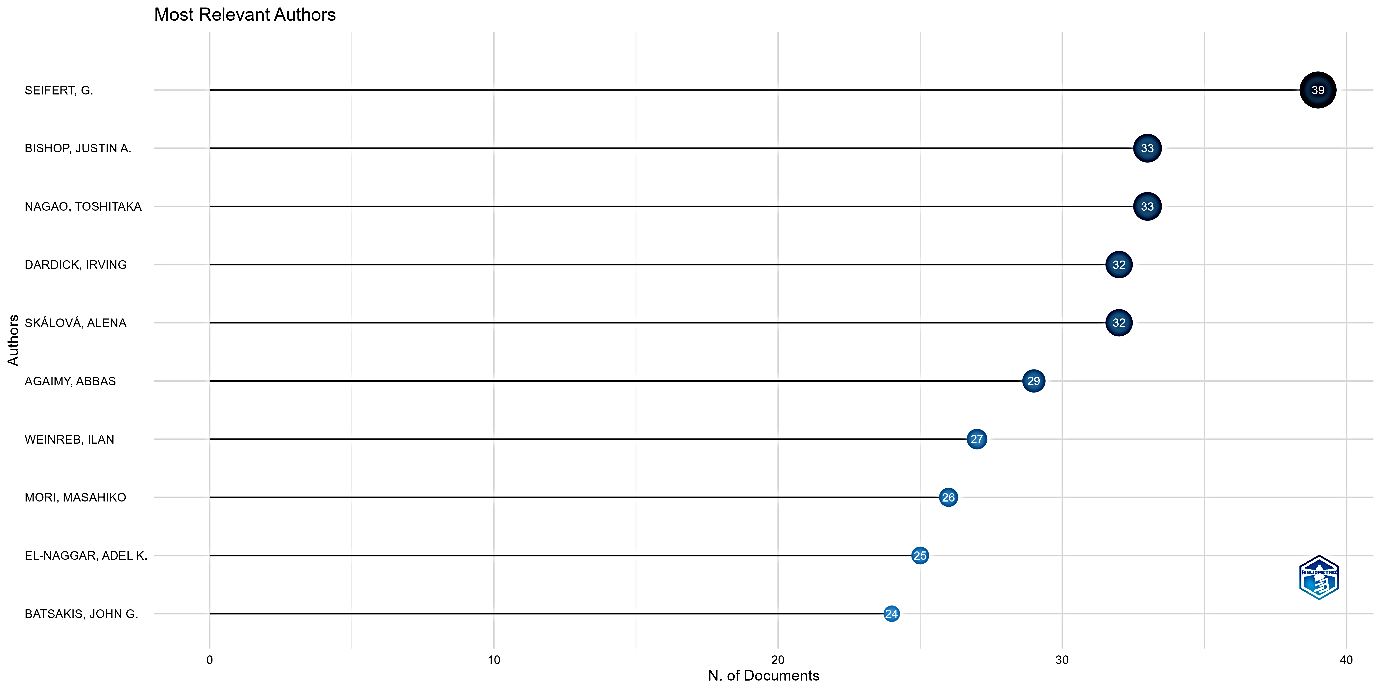
The most influential researchers in the field were identified through citation metrics and co-authorship networks. Figure S7 highlights leading contributors based on publication volume and citation impact.
Seifert G and Bishop JA emerged as the most cited authors, known for their work on salivary gland tumor pathology and molecular classification. Nagao T and Agaimy A have significantly contributed to salivary duct carcinoma research, focusing on genetic alterations and prognostic markers. Skalova A and Weinreb I have made impactful contributions to histopathological and immunohistochemical studies in SGTs. Spiro RH, widely co-cited, has played a foundational role in guiding treatment strategies and surgical management approaches for salivary gland neoplasms. These authors’ work has been pivotal in shaping the understanding of SGT biology and optimizing clinical decision-making.
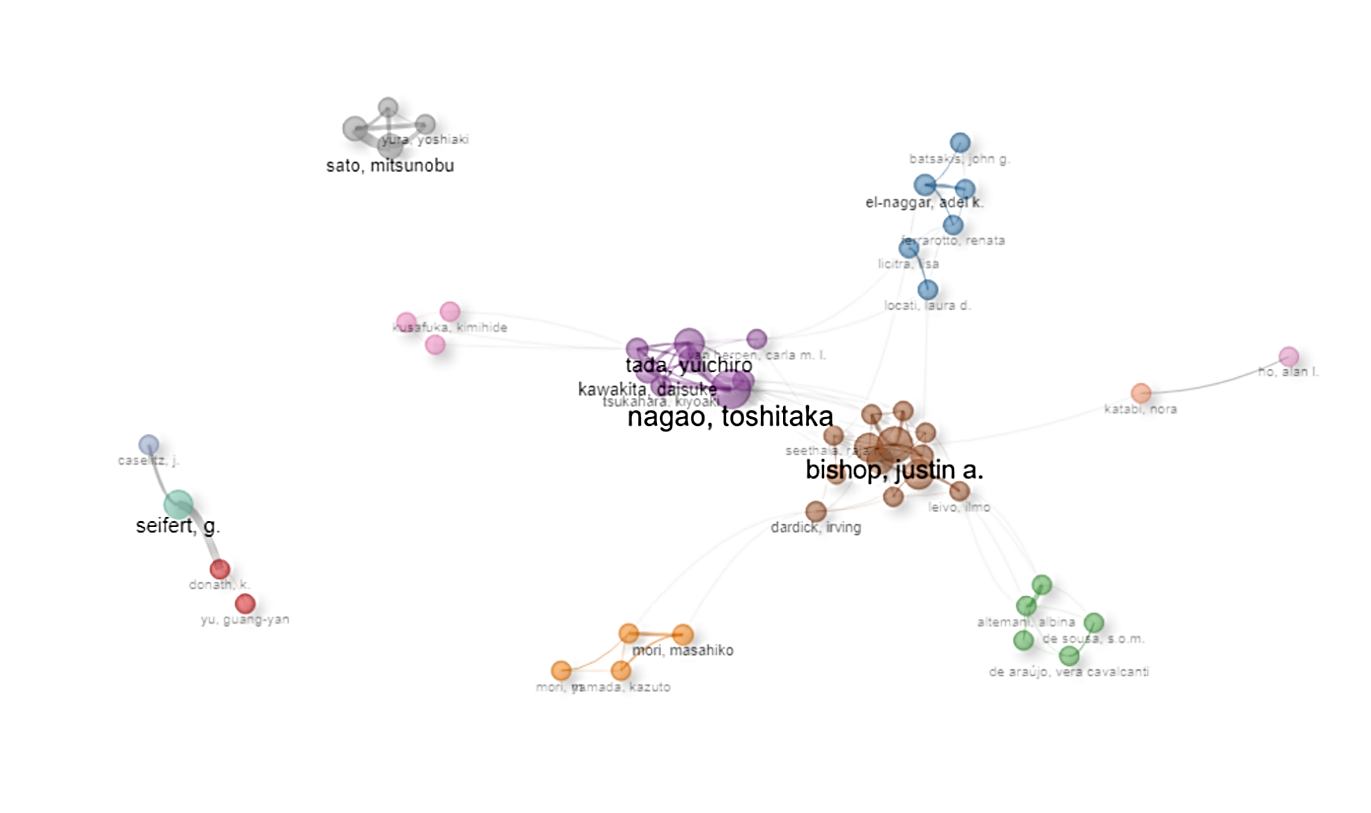
Figure S8 provides insight into the interconnected research clusters among leading authors. Such as Bishop JA, Nagao T, and Agaimy A form a strong collaborative network, frequently co-authoring studies on tumor histopathology, molecular markers, and emerging therapeutic targets. WhileSeifert G and Skalova A contribute extensively to classification systems and rare tumor subtypes, forming a distinct research cluster. Therefore, increasing co-authorship connections between researchers from different countries indicate a growing trend toward international and multidisciplinary collaborations.
The dominance of United States-based and European institutions highlights their long-standing expertise in oncologic research. However, the growing presence of Asian research centers suggests an increasing globalization of salivary gland oncology research. Strengthening institutional partnerships, increasing research funding for underrepresented regions, and fostering interdisciplinary collaboration will be crucial for advancing research in molecular diagnostics, biomarker discovery, and precision medicine in salivary gland oncology.
Source Analysis and Journal Impact
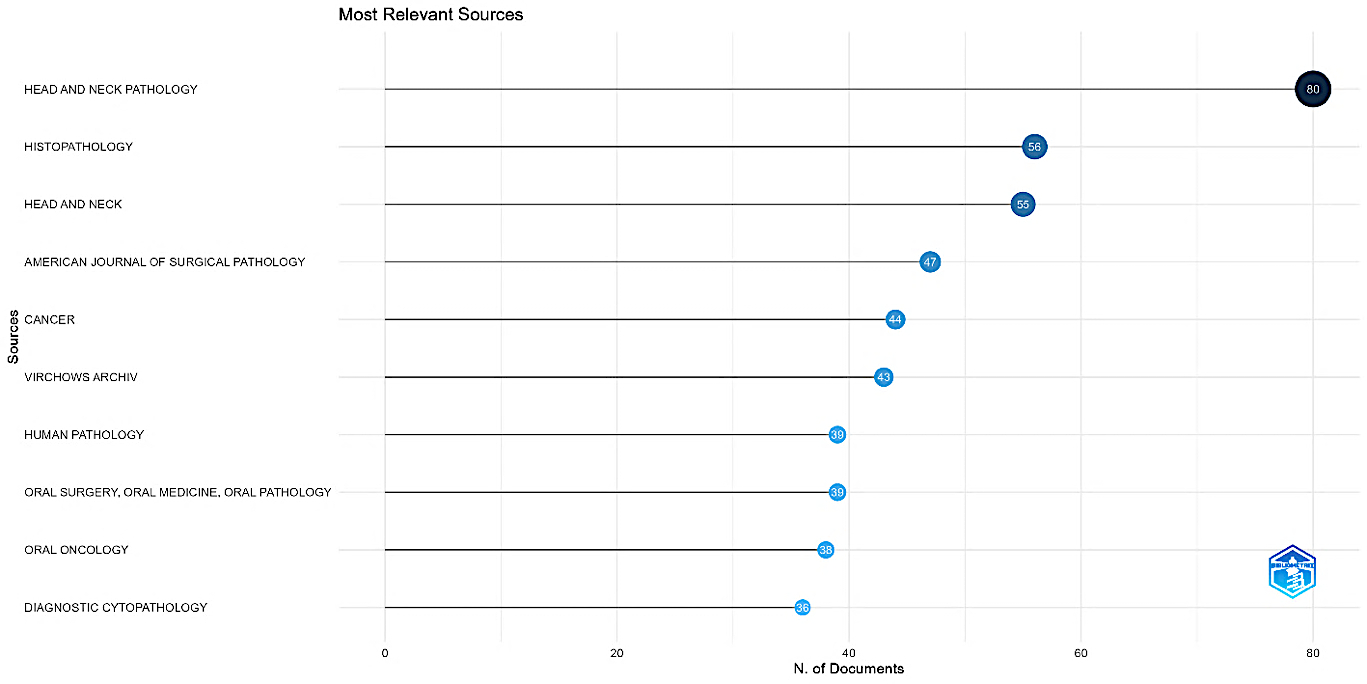
Scientific journals serve as primary platforms for disseminating advancements in salivary gland oncology. Figure S9 presents the most prominent journals based on publication volume and citation impact. Among the leading journals, Head and Neck Pathology, Histopathology, and the American Journal of Surgical Pathology have published the highest number of articles in the field. These journals specialize in oncologic pathology, molecular diagnostics, and tumor classification, making them essential resources for researchers and clinicians.
Other notable sources include Oral Oncology and Head & Neck, which focus on clinical management, surgical techniques, and radiation therapy for salivary gland malignancies. Journals such as Modern Pathology and the Journal of Clinical Pathology have also made significant contributions, particularly in the validation of biomarkers and molecular profiling of salivary gland carcinomas.
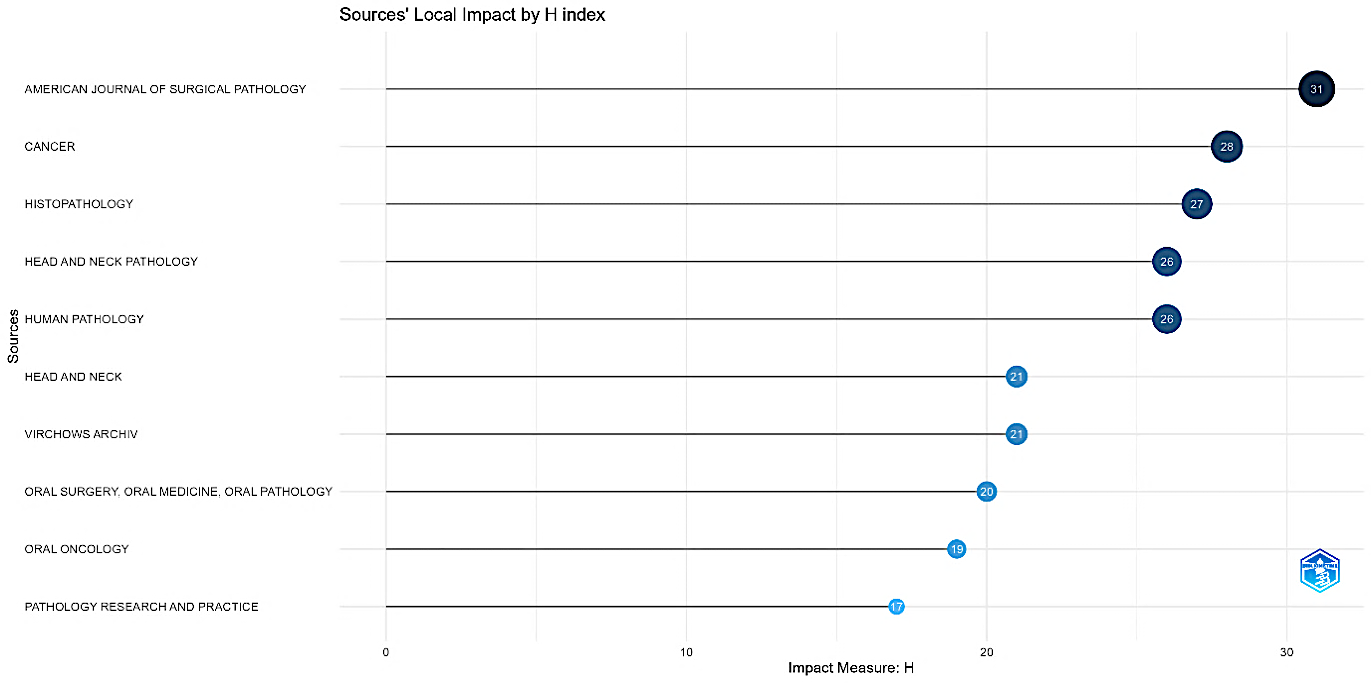
Figure S10, ranks journals based on their citation influence, highlighting the sources that have had the greatest impact on the field. The American Journal of Surgical Pathology has the highest h-index, reflecting its strong academic impact and frequent citation by researchers in oncologic pathology. Whereas, Histopathology and Oral Oncology also exhibit high citation influence, reinforcing their roles as authoritative sources for pathology and clinical oncology research. However, the emergence of open-access journals such as Cancers and Frontiers in Oncology has expanded the availability of research, increasing their influence in recent years.
The steady rise in citation impact across multiple journals suggests an increasing recognition of salivary gland oncology research within the broader field of oncology and pathology.
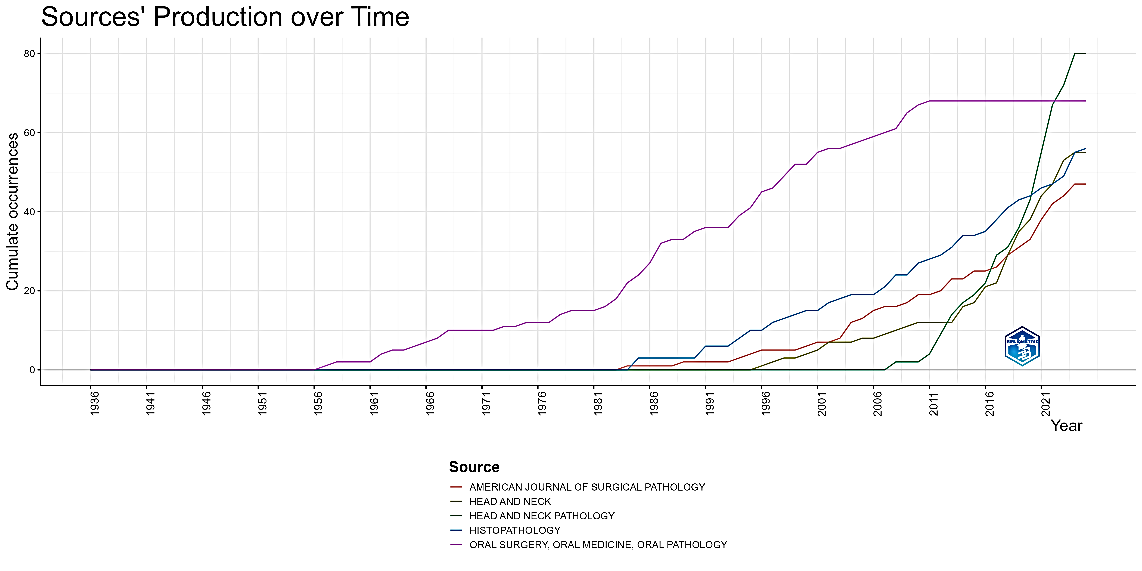
Figure S11 illustrates the evolution of journal contributions over the past two decades with Histopathology and Head & Neck Pathology have maintained consistent publication rates, reflecting sustained interest in SGT pathology and classification. While, Oral Oncology and Modern Pathology have experienced a rising trend, particularly due to the growing integration of molecular diagnostics and targeted therapies in their scope. Whereas, Cancers and Frontiers in Oncology have gained prominence in recent years, likely due to their open-access models and multidisciplinary readership.
Implications for Researchers and Clinicians
Authors should consider submitting their work to high-impact journals such as Head & Neck Pathology and Histopathology to maximize visibility and academic recognition. While the emergence of new oncology and pathology journals provides expanded opportunities for publishing interdisciplinary studies. Additionally, open-access journals are playing a crucial role in broadening research dissemination and increasing accessibility for researchers worldwide.
Citation Analysis
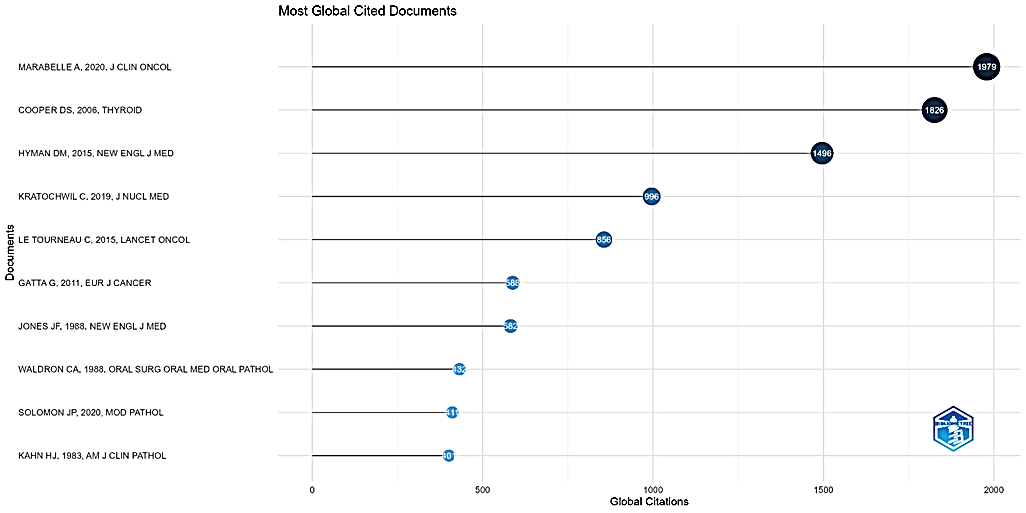
Citation analysis provides insight into the most influential studies that have shaped the field of salivary gland oncology. Figure S12 presents the most highly cited research articles, emphasizing their impact on tumor classification, molecular diagnostics, and therapeutic advancements. Among the most cited works, Marabelle et al. (2020)[10] published in Lancet Oncology holds the highest citation count, reflecting its seminal contribution to immunotherapy applications in salivary gland malignancies. Similarly, Cooper et al. (2006)[11] and Hyman et al. (2015)[12] remain foundational references, focusing on tumor classification systems and molecular diagnostics.
Highly cited studies generally fall into three major categories which are (i) tumor pathology and classification, including works that have contributed to histopathological subtyping and WHO classification updates, (ii) biomarker discovery and molecular profiling, which have enhanced the understanding of genetic drivers in salivary gland carcinomas and (iii) therapeutic advancements, particularly studies that explore targeted therapies, immune checkpoint inhibitors, and radiotherapy outcomes.
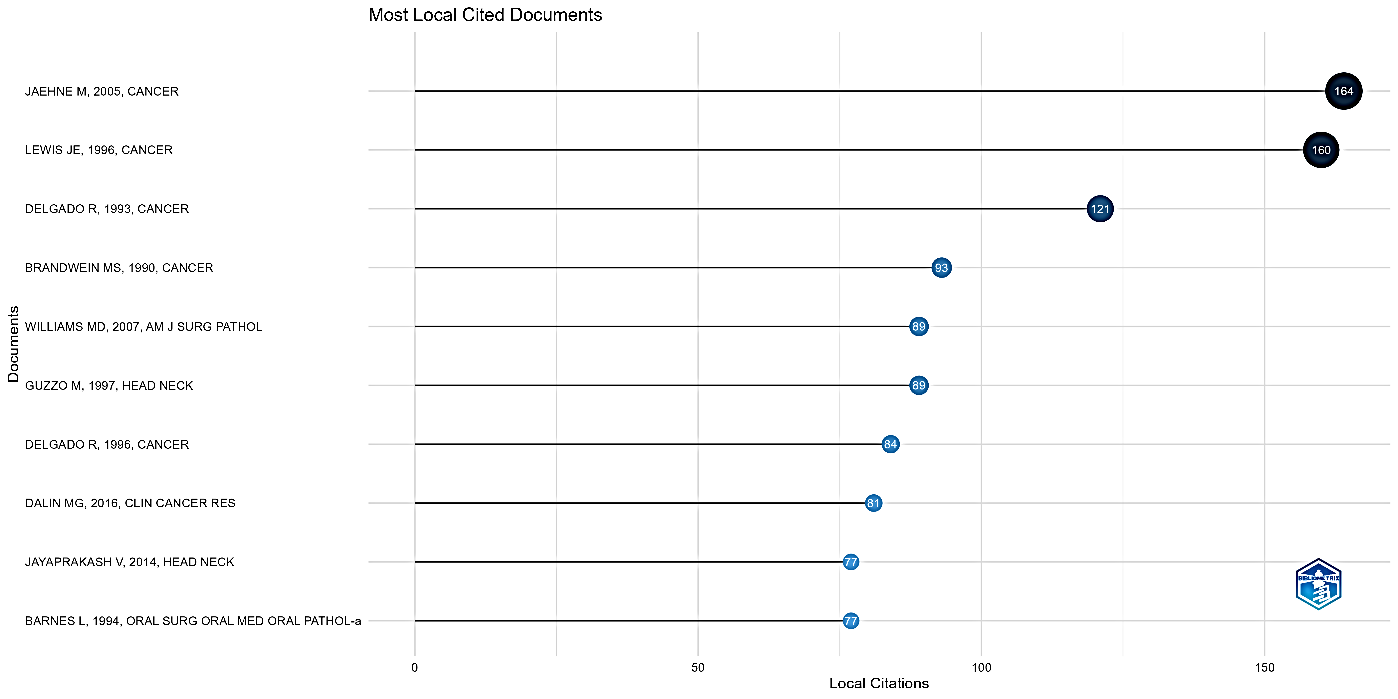
While global citation counts indicate internationally recognized studies, local citation analysis provides insight into highly referenced works within the salivary gland oncology community.
Figure S13 highlights studies that, while potentially having fewer global citations, are crucial within their specialized research niche. Foundational authors such as Jaehne M et al [13], Lewis et al.[14], and Delgado et al[15] dominate local citation networks, reinforcing their long-standing influence on tumor classification and pathology. The discrepancy between local and global citation counts suggests that some highly specialized studies may not yet have broad international recognition, despite being essential within the discipline.
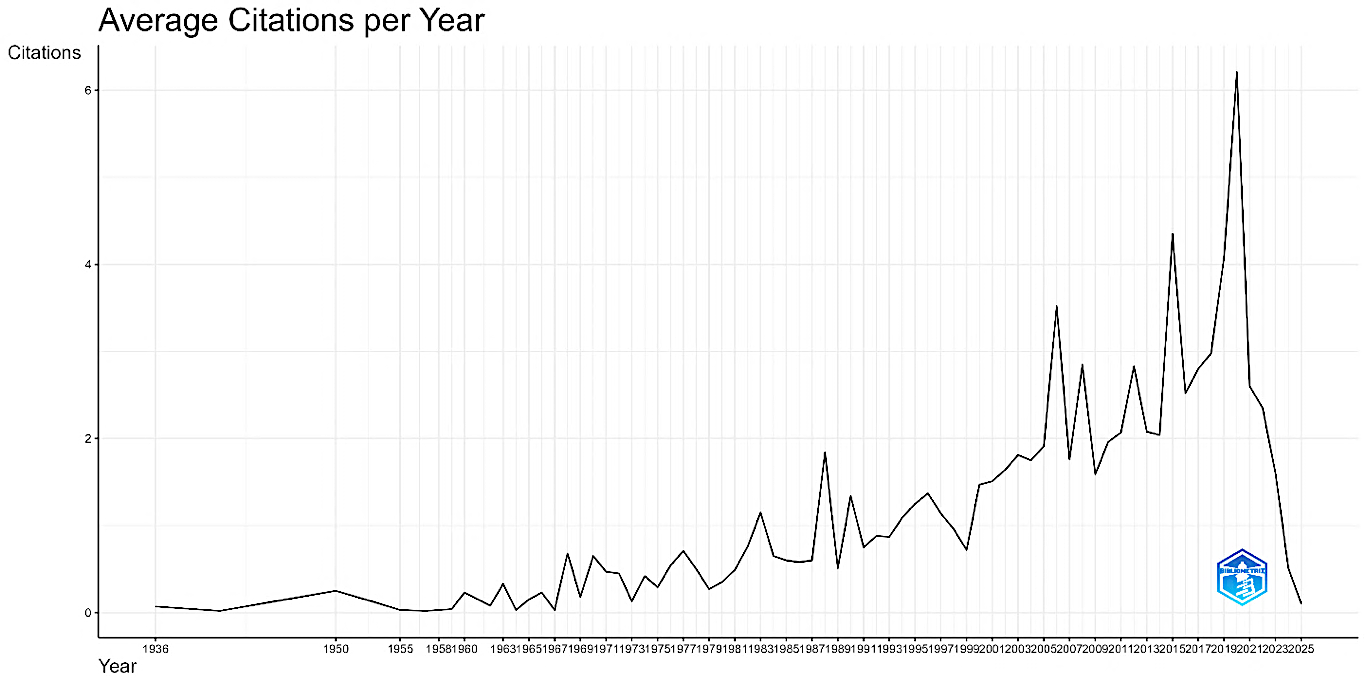
Figure S14 demonstrates how citation trends have evolved over the years. Studies published between 2000 and 2010 primarily focused on surgical management and histopathological characterization, with gradual citation growth over time. However, research from 2010 to 2020 saw a significant rise in citations, particularly in works related to biomarker validation, molecular diagnostics, and genomic profiling. Whereas, recent years (2021–2024) have seen a growing number of citations for studies exploring AI, deep learning, and precision oncology, indicating a shift toward computational approaches in tumor classification and prediction models.
Understanding citation patterns provides a roadmap for future research priorities. The highly cited papers serve as foundational references, guiding emerging research directions. However, the identification of underrepresented but locally significant studies suggests the need for increased global dissemination of specialized research. In addition, the rise in AI-driven diagnostics, biomarker research, and immunotherapy citations reflects an ongoing transformation in how salivary gland cancers are classified and treated.
Keyword and Thematic Analysis
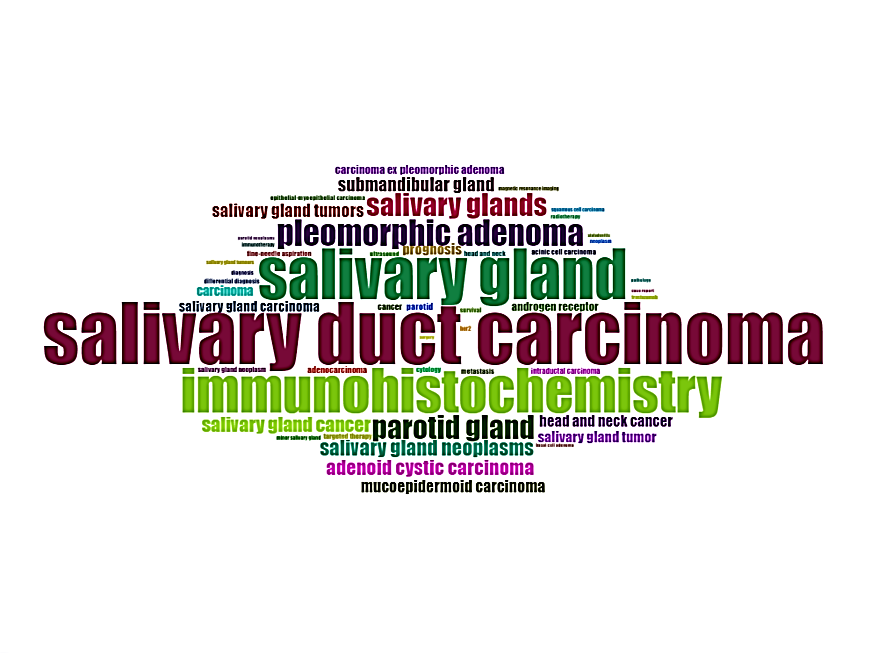
Analyzing keyword co-occurrence provides valuable insight into the core themes and evolving research priorities in salivary gland oncology. Figure S15 visually represents the most frequently used keywords, where larger terms indicate higher occurrence rates and research significance. The most common keywords include (i) salivary gland carcinoma, adenoid cystic carcinoma, pleomorphic adenoma, and salivary duct carcinoma, reflecting continued interest in tumor classification and histopathology, (ii) immunohistochemistry and molecular markers, indicating the increasing role of molecular diagnostics in tumor characterization and (iii) targeted therapy and precision medicine, highlighting a shift towards personalized treatment strategies.
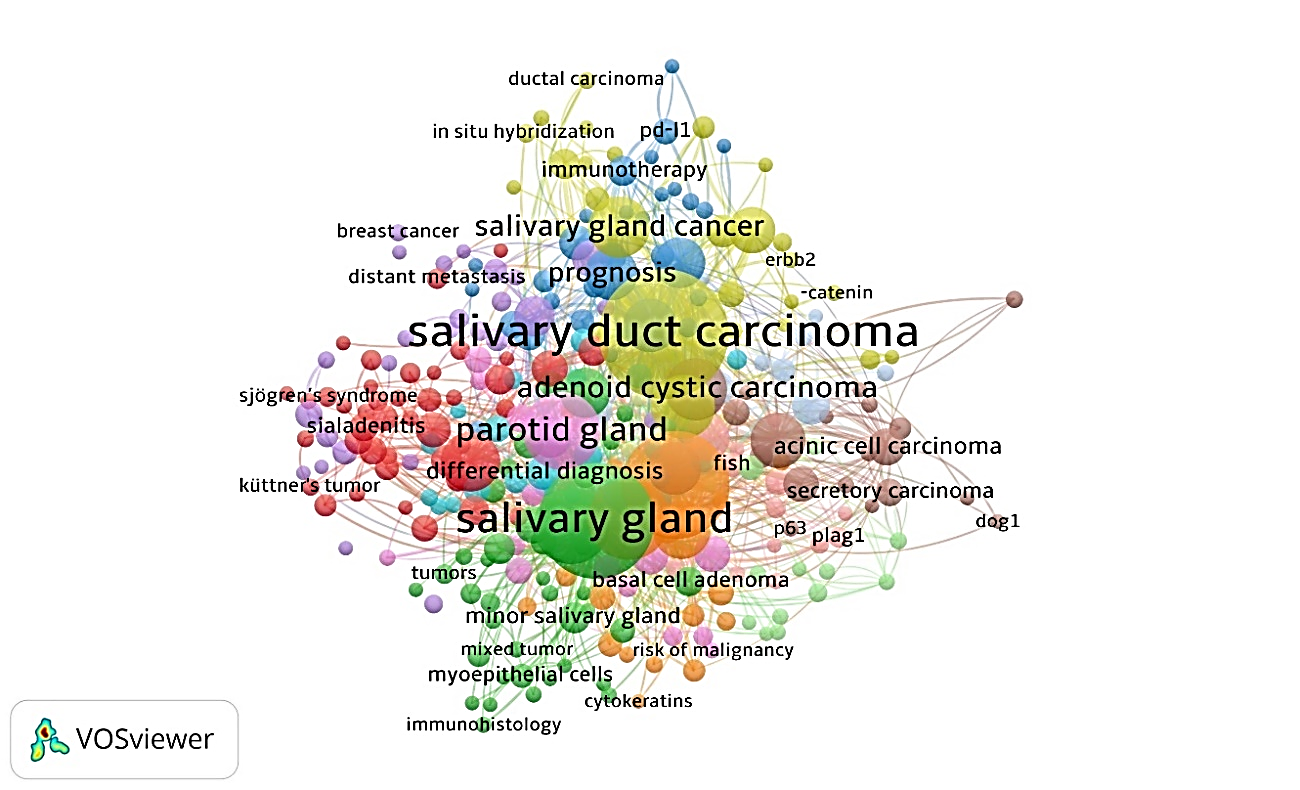
The prominence of these terms suggests that the integration of molecular and genomic insights into tumor classification and treatment is becoming a key focus in the field. Figure S16 visualizes the relationships between commonly used keywords, identifying distinct research clusters such as (i) Cluster 1 – Molecular and Genetic Research: Includes terms such as biomarkers, immunohistochemistry, genetic mutations, and molecular diagnostics, reflecting advancements in genomic characterization of SGTs. (ii) Cluster 2 – Tumor Classification and Histopathology: Encompasses pleomorphic adenoma, adenoid cystic carcinoma, and salivary gland neoplasms, representing the foundation of histopathological research in this field and (iii) Cluster 3 – Emerging Therapeutic Approaches: Contains keywords such as targeted therapy, immunotherapy, androgen receptor inhibitors, and AI, indicating a growing interest in novel treatment modalities and computational pathology applications.
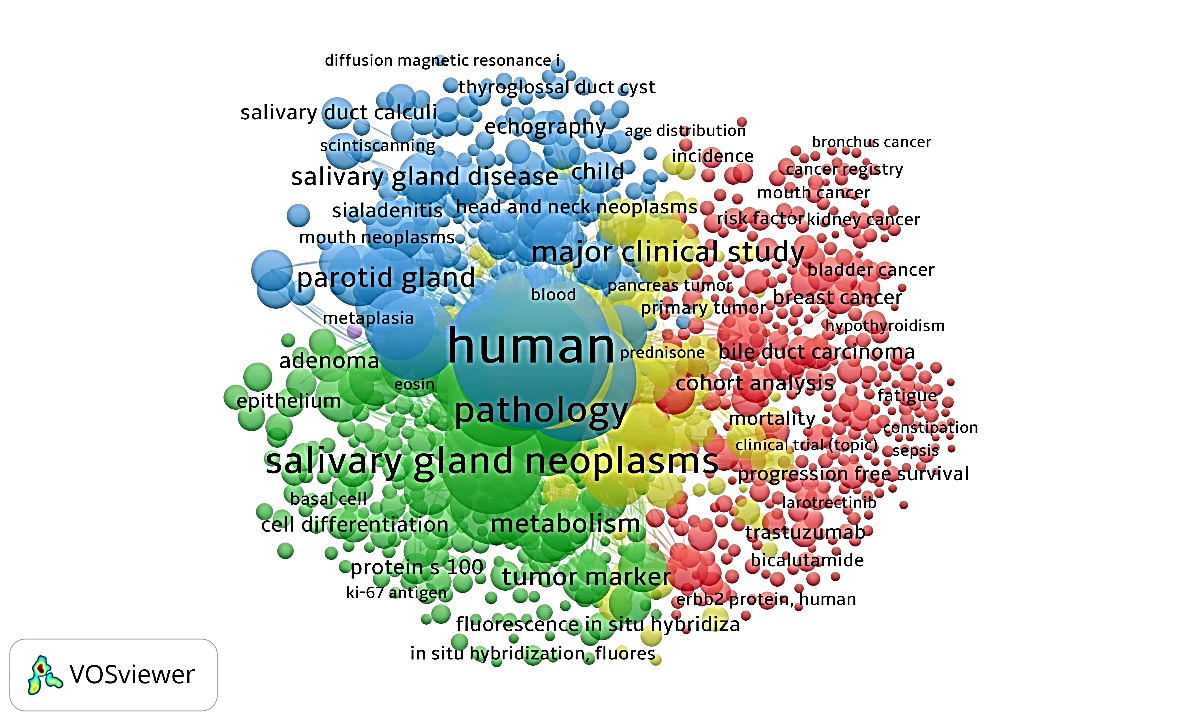
While author-assigned keywords reflect research focus areas, database-assigned index keywords provide a broader categorization of research themes. Figure S17 compares these two approaches. (i) a strong overlap between author and index keywords suggests that molecular and biomarker-driven research is becoming central in salivary gland oncology and (ii) emerging index keywords, such as liquid biopsy, radiomics, and PD-L1 inhibitors, indicate the integration of precision medicine and computational approaches into salivary gland cancer research.
Keyword evolution over time reveals shifts in research priorities based on the time of publications such as (i) 2000–2010: the research was primarily focused on tumor histopathology and surgical management, (ii) 2010–2020: the emphasis shifted towards molecular biomarkers, genetic profiling, and targeted therapy and (iii) 2021–2024: recent trends indicate growing interest in AI, deep learning, and immunotherapy applications in salivary gland cancer research.
This progression suggests that the future of salivary gland oncology will be driven by computational pathology, precision medicine, and AI-assisted diagnostics. Implications for Future Research are (i) molecular characterization of SGTs will continue to shape classification and prognosis prediction (ii) AI and machine learning applications in pathology will enhance early detection and diagnostic accuracy and (iii) emerging therapies, including immune checkpoint inhibitors and gene-based treatments, are expected to become central in clinical trials and treatment guidelines.
Collaboration Networks
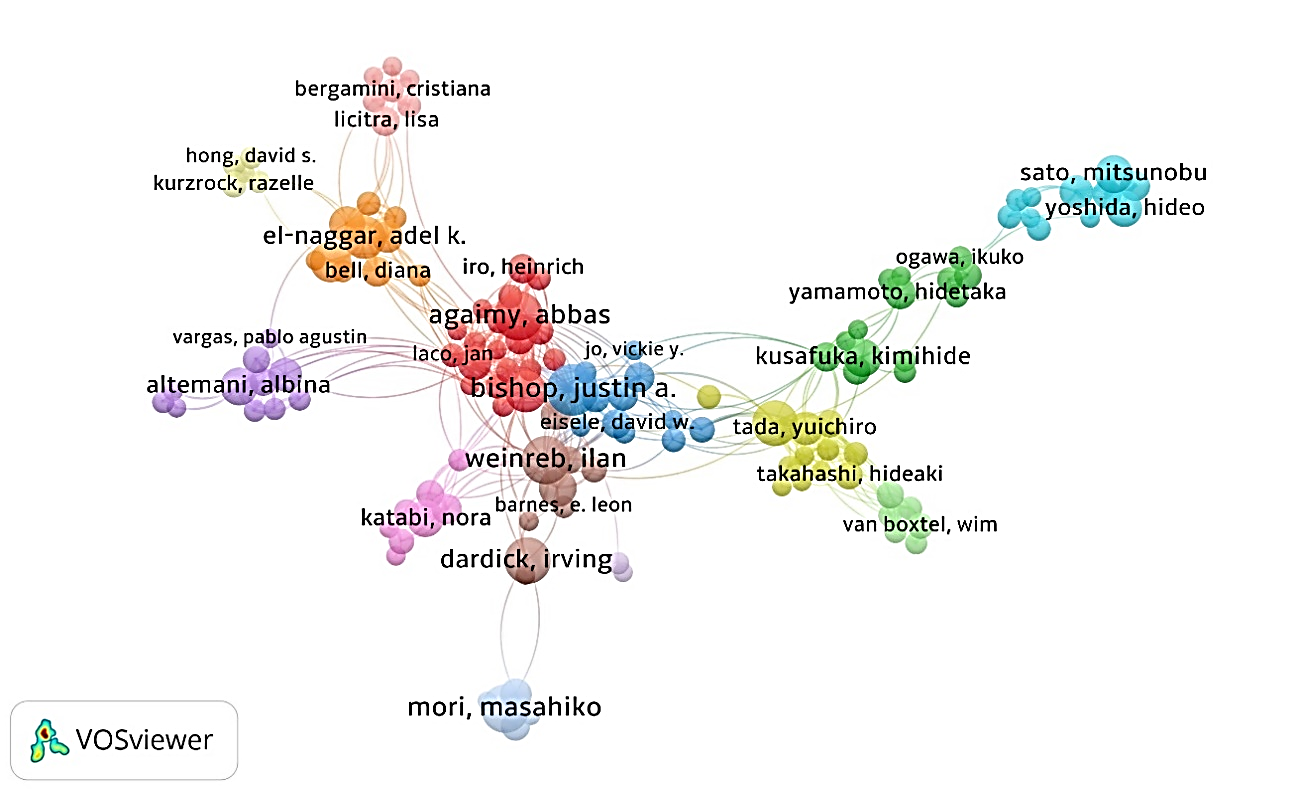
Collaboration between researchers plays a crucial role in advancing scientific knowledge and driving innovation in salivary gland oncology. Figure S18 presents a network visualization of author collaborations, where the size of each node represents the number of publications, and connecting lines indicate co-authorship links.
Several key findings emerge from this analysis: (i) which are strong collaboration hubs exist among leading researchers, with Bishop JA, Nagao T, and Agaimy A forming one of the most interconnected author groups. Their work focuses extensively on tumor histopathology, molecular diagnostics, and emerging therapeutic approaches. (ii) Seifert G and Skalova A are part of a distinct network specializing in tumor classification and rare salivary gland neoplasms, contributing significantly to histopathological research and (iii) the increasing connectivity among authors from different regions suggests a shift toward greater international collaboration, particularly in areas involving genetic profiling and AI-assisted pathology.
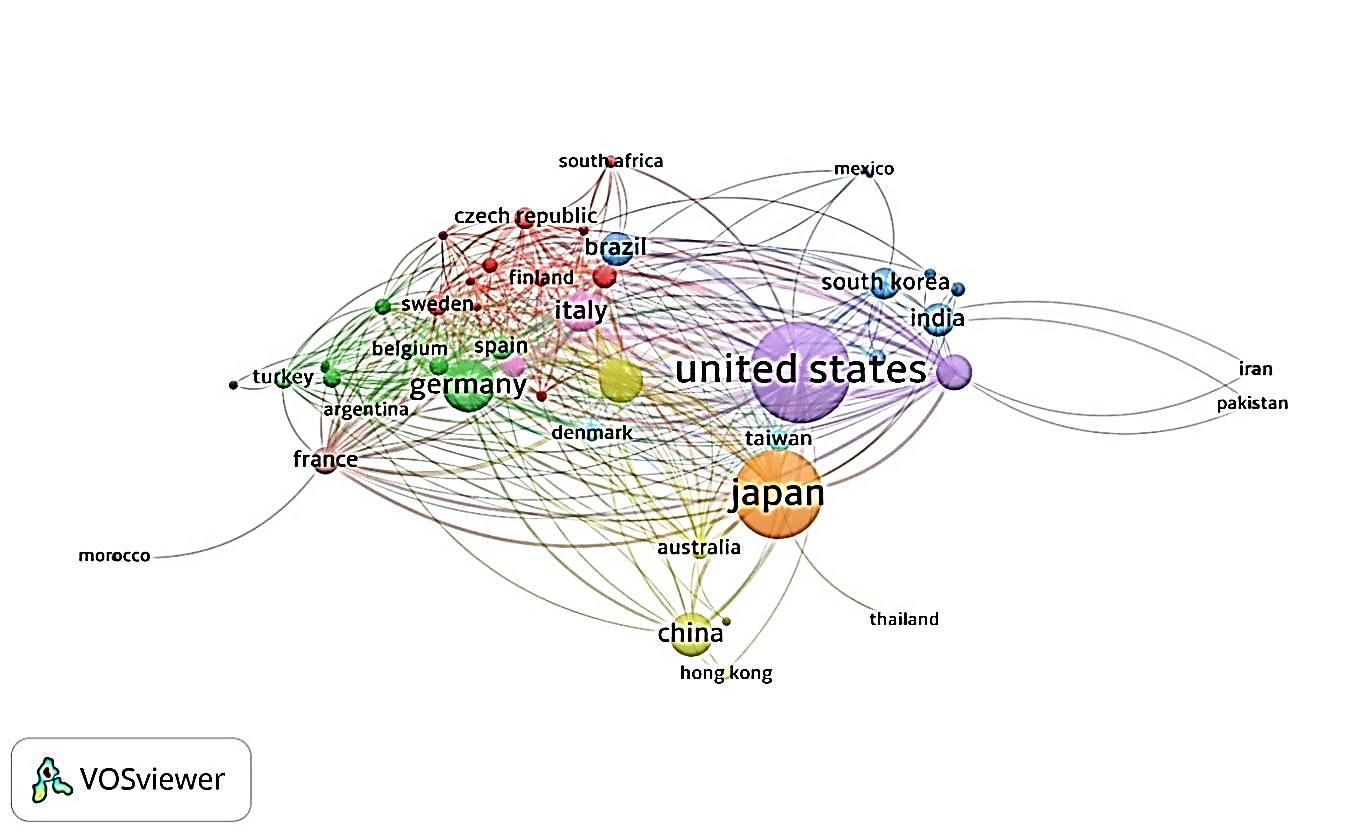
Figure S19 highlights the global scientific collaboration landscape in salivary gland oncology, emphasizing research partnerships based on shared authorship.
Key observations include: (i) the United States leads in international collaboration, maintaining strong partnerships with Germany, the United Kingdom, and Japan. European countries, including Germany, the Netherlands, and Italy, exhibit high interconnectivity, reflecting the region’s emphasis on histopathology and molecular research. While, China and South Korea have recently expanded their collaborative networks, indicating growing research investment and international engagement. While Brazil and India are beginning to emerge as contributors, their collaborations remain limited, suggesting the need for further integration into global research efforts.
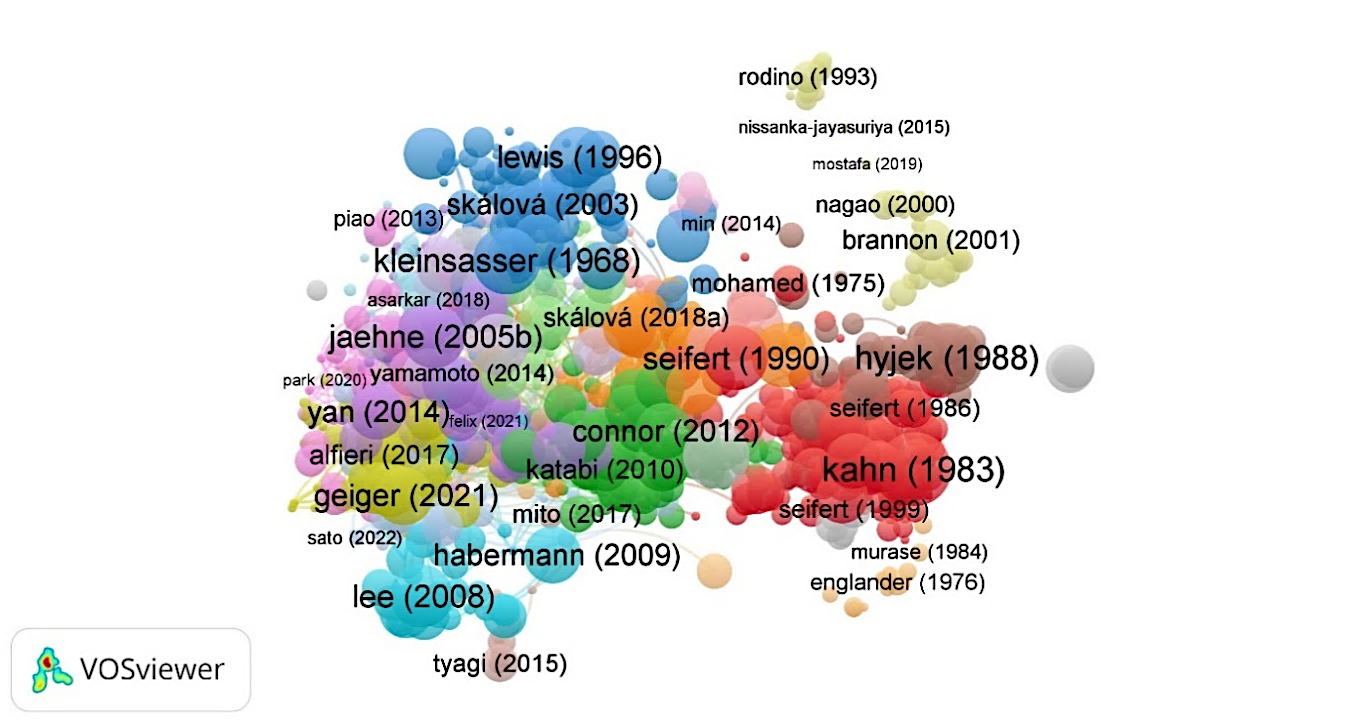
Co-citation analysis provides insights into how frequently two documents are cited together, revealing shared research themes and foundational studies in the field. Figure S20 presents key clusters of co-cited publications, forming the theoretical backbone of salivary gland oncology research.
Notable findings include: (i) highly co-cited studies focus on tumor classification, biomarker discovery, and targeted therapies, reflecting the dominant themes in modern research. (ii) recent co-citation clusters highlight AI-driven approaches and molecular imaging, indicating the emerging influence of computational oncology in the field. (iii) older but still frequently co-cited studies provide the foundation for current classification and treatment guidelines, underscoring their continued relevance in clinical practice.
Significance of Collaboration Networks: (i) strengthening global research collaborations can enhance knowledge sharing, improve clinical trial outcomes, and foster innovation in treatment approaches. While, co-citation networks help identify gaps in research, guiding future investigations into underexplored areas. While, encouraging interdisciplinary partnerships, particularly involving AI and bioinformatics specialists, can accelerate advancements in predictive diagnostics and personalized therapies.